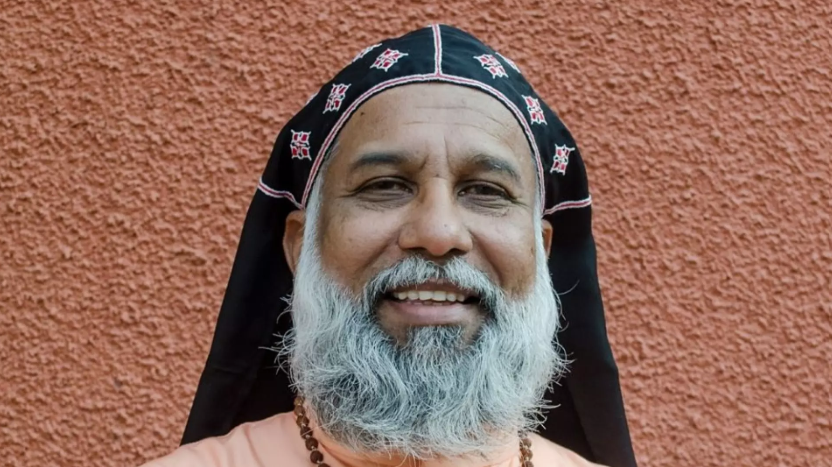
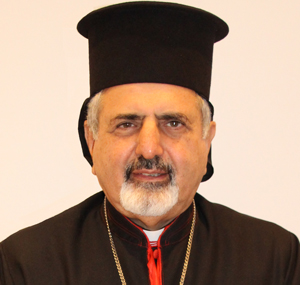
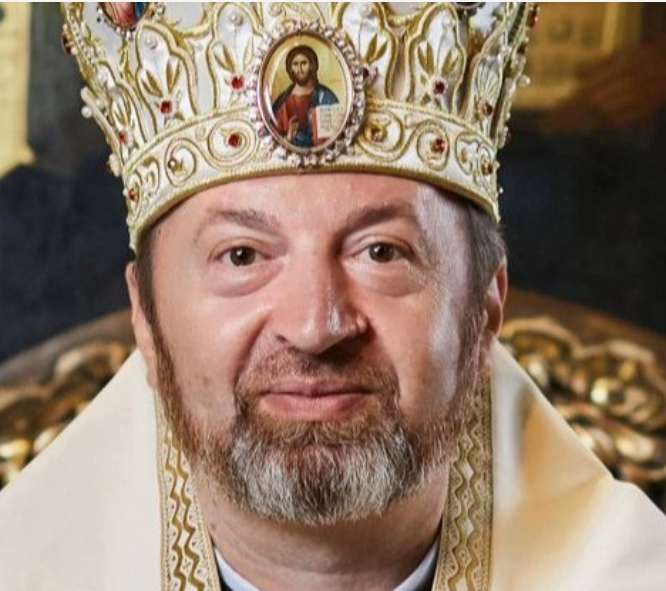
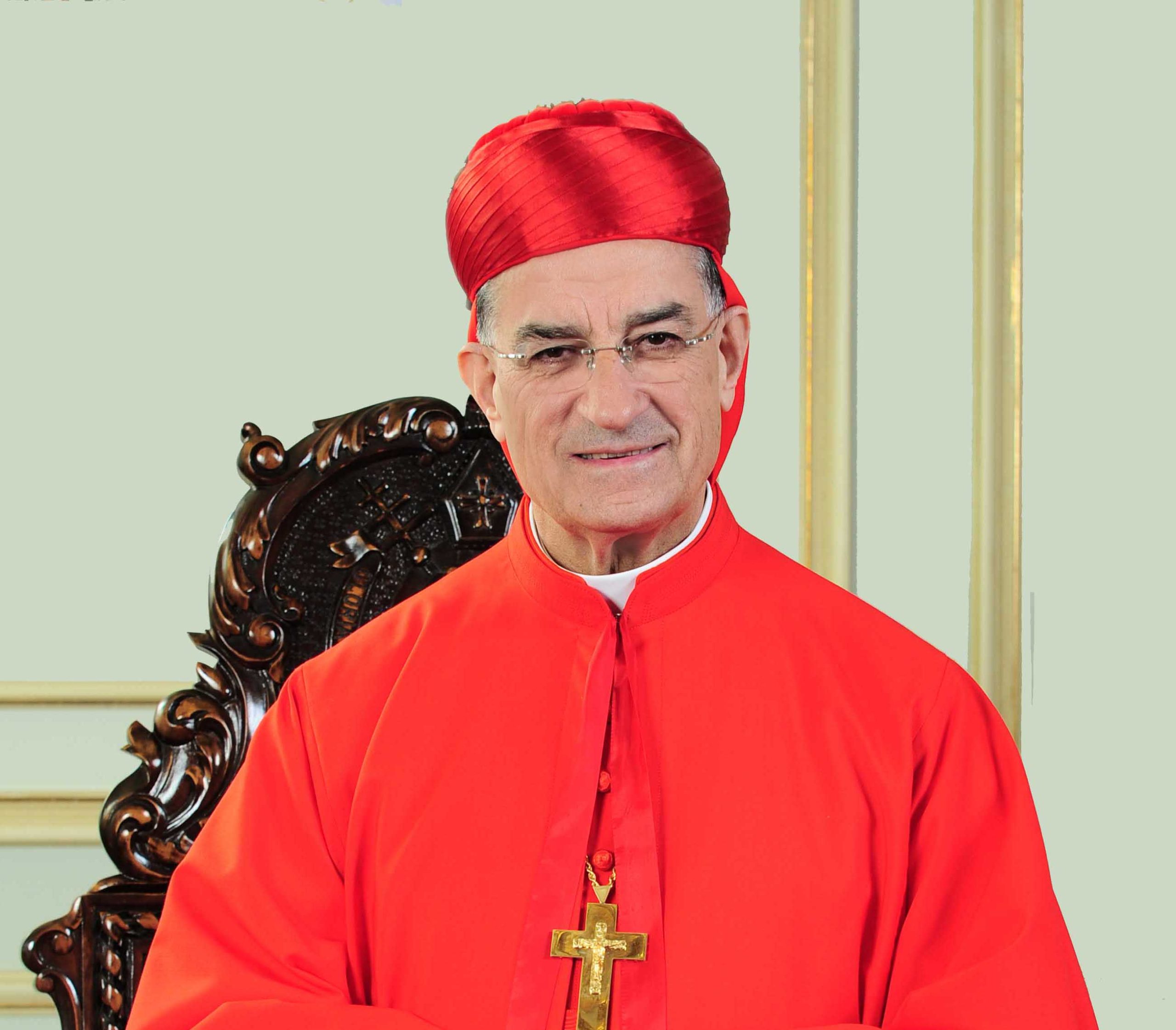
Christians in the East form a mosaic of Churches stemming from the five patriarchates. But what is the origin of the Eastern Churches?
The Eastern Churches are as old as Christianity itself. Indeed, it was in the East that the Church was born, and it was from the East that it spread throughout the entire Empire. Three distinct stages can be identified:
Le temps des apôtres et de leurs successeurs immédiats
Born in Jerusalem through the preaching of the apostles, the Church quickly spread to the various peoples of the Empire: Syria, Arabia, Asia Minor, Greece, and Rome. Persecutions followed, but the Church organized itself into patriarchates, which were established by the Council of Chalcedon in 451.
Le temps des disputes théologiques et des conciles
When theological reflection leads to a contested thesis, a council (an assembly of bishops) is convened to establish the standard of faith. A majority then rallies behind the decision, but sometimes a minority challenges it and breaks away. This is the origin of the Churches that are not in communion with the other Churches or with Rome. The last major split occurred in 1054. It came to be known as the East-West Schism. On that occasion, the Latins took the name “Catholics” and the Greeks that of “Orthodox.”
Rome et l’union des Églises
Rome and the separated Churches have always shared a desire to restore unity. At times, Churches returned to unity out of religious necessity and sometimes for political reasons; at other times, the efforts of religious figures also led segments of the separated Churches to return to unity with Rome. This is the origin of most of the Eastern Catholic Churches.