Skip to content

Jordan

L’Œuvre d’Orient funded 9 projects in 2025

Support

  • Population: 11,148,000 (2021, World Bank). Because of its stability in a Middle East plagued by wars and crises, Jordan is a preferred destination for refugees from neighboring countries. According to the World Bank, nearly 3 million refugees live in Jordan, mainly Syrians and Palestinians.
  • Official language: Arabic.
  • Form of government: Constitutional monarchy (King Abdullah II since 1999).

Christians in Jordan

Islam is the predominant religion, practiced by 90% of the population. Christians make up 8% of the population and are primarily Greek Orthodox. There are also a few Greek Catholic, Coptic, and Armenian communities. Finally, the country is home to small Shiite and Druze minorities.

Sunni Islam is the state religion in Jordan, but the country shows tolerance toward other religions and upholds the principle of religious freedom. As a result, there are several churches in Jordan, and Christians are free to practice their faith.

Joseph Gébara is the Greek Melkite Catholic Archbishop of the Archdiocese of Petra and Philadelphia (Jordan).

Jordan has seen many refugees from neighboring countries settle there, including numerous Christians who have joined the country’s Christian communities (Palestinians, Iraqis, and Syrians).

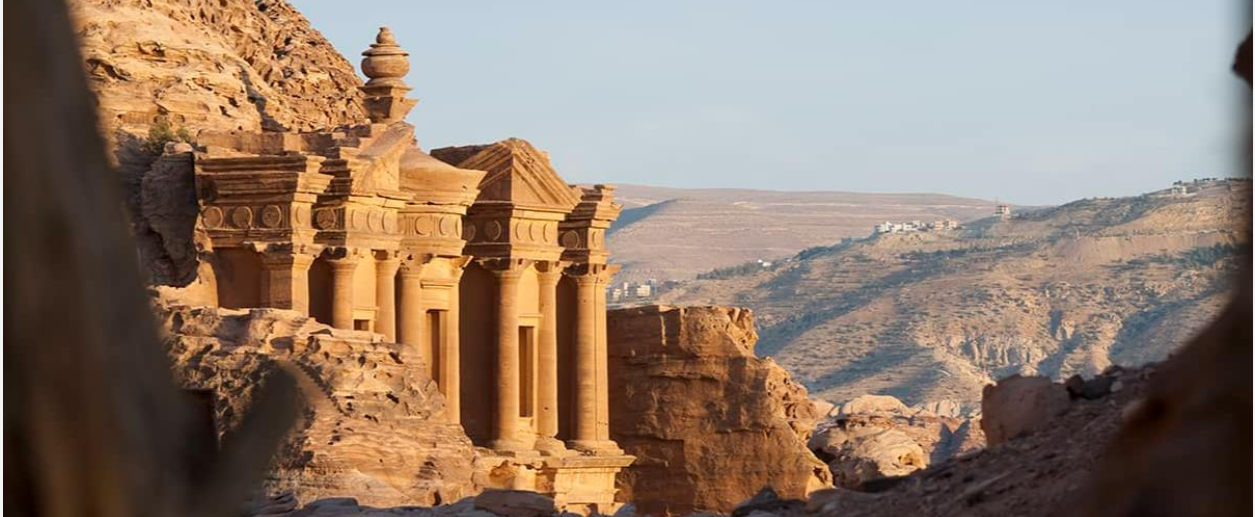
Jordan, one of the cradles of sacred history

Several events described in the Bible took place in Jordan. As such, the country is part of the Holy Land. It was from Mount Nebo, in the western part of the country, that Moses is said to have gazed upon the Promised Land without being able to enter it, and where he is said to have died (see the Book of Deuteronomy). Jordan is also home to the site of Bethany Beyond the Jordan, where John the Baptist baptized the crowds and where he is said to have met Jesus for the first time. These sites are major pilgrimage destinations for Christians visiting the Holy Land.

The Œuvre d'Orient's Projects in Jordan

In Jordan, the Œuvre d’Orient supports the large number of Syrian and Iraqi refugees by assisting the clinic in the Achrafieh neighborhood of Amman and by providing school buses to Father Jaal, who established a “free evening school ” in Marka for all Iraqi children who could not find a place elsewhere.

It also supports communities through projects in rural areas (such as aid to the Latin communities in Kerak).
