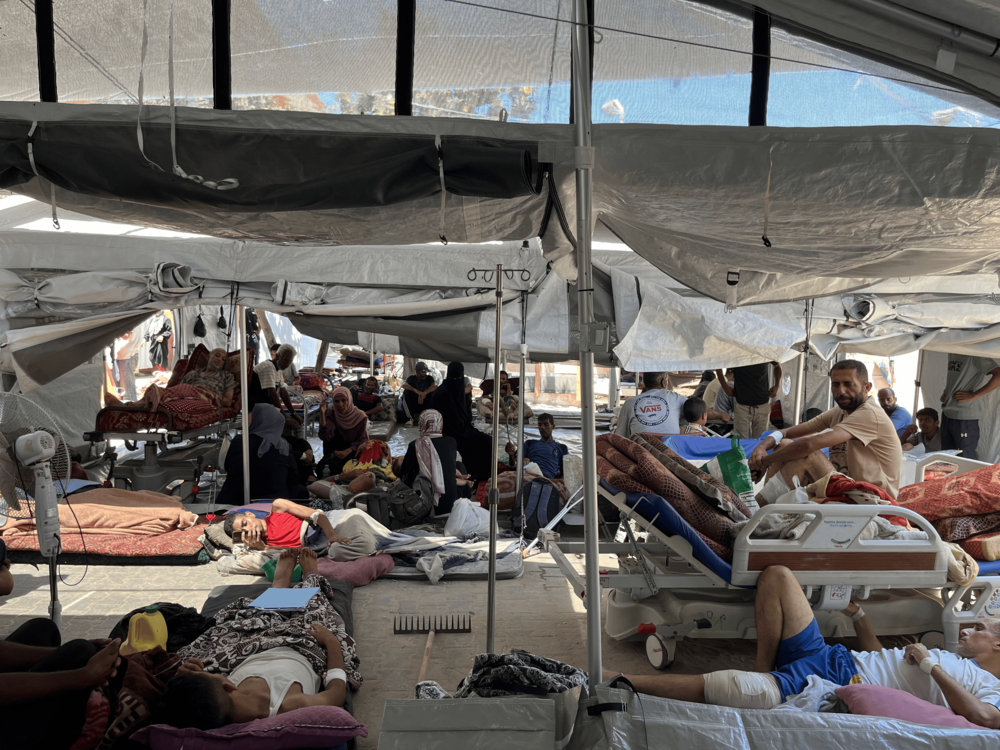
On the phone, the statistic cited by Michel Lacharité, the head of emergency operations at “Doctors Without Borders,” is chilling: “In 2025 alone, we conducted a total of 900,000 consultations, 53,000 of which resulted in admission to a hospital supported by our organization. ” … The toll is now final, since, following a decision by the Israeli government—dominated by extremists—MSF has been barred from working in the Gaza Strip since the end of February 2026.
Founded in 1971 by a group of young doctors moved by the horrific images of the war in Biafra—which at the time pitted the local army against secessionists in southeastern Nigeria, in Africa— MSF has, over the course of its history, become a respected and influential organization.
MORE THAN 6,000 AMPUTATIONS, 15% OF WHICH INVOLVE CHILDREN
While MSF is now active in nearly 70 countries around the world affected by conflict, and its acronym has become a lasting fixture on the global stage—crowned, in particular, by the Nobel Peace Prize in 1999— it was especially after the outbreak of open conflict between Hamas and the Israeli military on October 23, 2023, that Palestine became one of its top priorities.
Banned from the Gaza Strip and the West Bank since late February 2026 for failing to provide the Israeli government with a list of its employees’ names, the organization is not the only one banned from the small, long-suffering strip (*1).
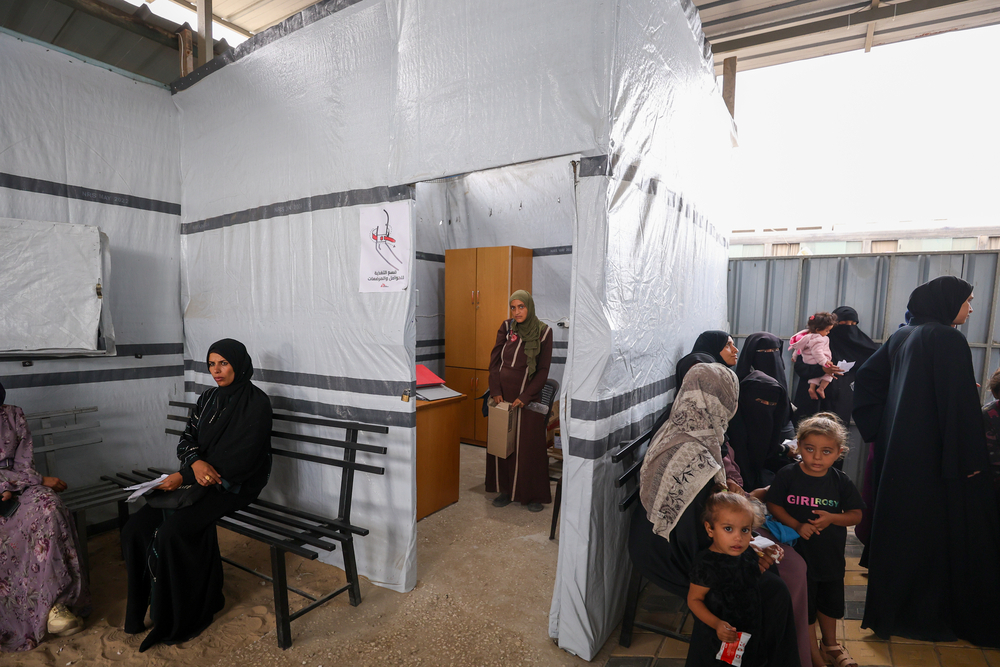
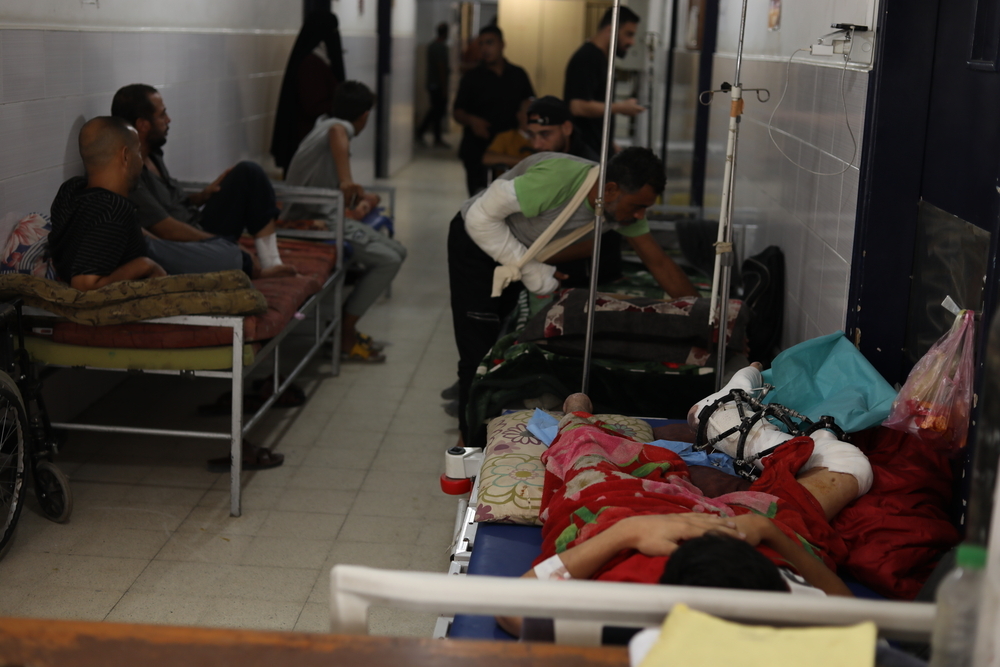
Doctors Without Borders, which has already withdrawn its international staff—about 40 people in all—also employs nearly 1,400 local staff, Palestinians working in its various facilities in Gaza: two field hospitals set up by MSF, five others belonging to the Palestinian Ministry of Health and supported by the French organization, and four outpatient clinics. How could Netanyahu’s government—which has already banned the international press from working in the Gaza Strip—allow foreign observers to witness this massacre and this barrage of illegal actions? “According to the Palestinian Ministry of Health,” the emergency services director continues, “6,009 people, 15% of whom are children, have undergone limb amputations since the start of the conflict. These are delicate surgeries that require long-term rehabilitation, in addition to a massive effort in water collection and distribution. We distribute 4,000 cubic meters of drinking water per day. We also treat patients with severe burns and perform plastic surgery. In Gaza, 1 in 5 hospital beds is supported by MSF.” Starting next March, how will these men, women, and children be able to receive dignified access to the care they need?
"WE CAN'T LET THE PEOPLE OF GAZA DOWN"
No matter how many difficulties pile up, Michel Lacharité refuses to give up: “Even if conditions become more difficult, we will continue to help the people of Gaza. We will use our stockpile of medicines, and our national teams will continue to work as long as security conditions allow. We cannot abandon the people of Gaza.”
Luc Balbont
(*1) Along with MSF, 37 international organizations were barred from the Gaza Strip by the Israeli government in February, including, among others, Handicap International, Oxfam, the Norwegian Refugee Council, World Vision, and others…