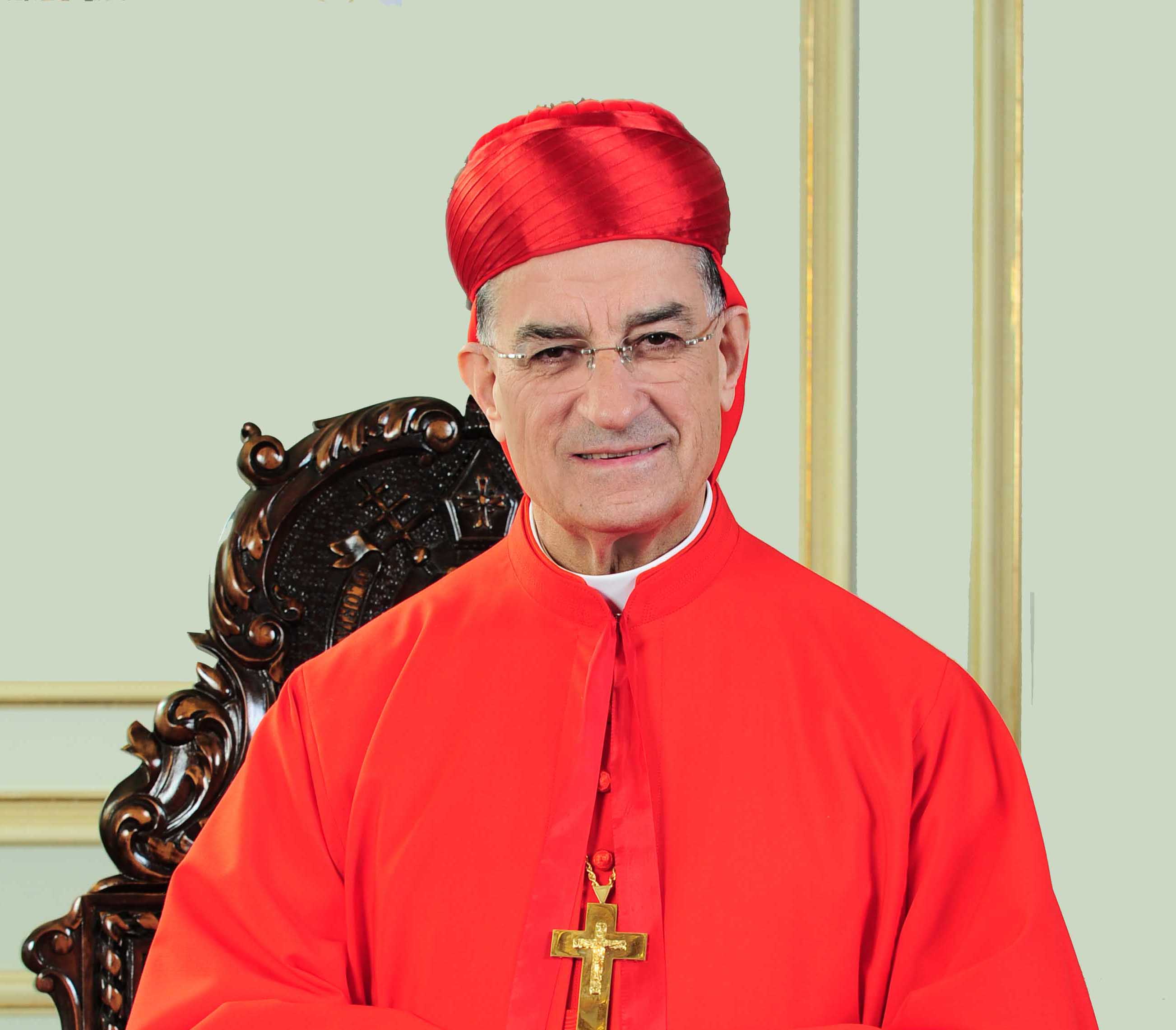
The Maronite Church owes its name to Saint Maroun (d. 410), a Syriac ascetic from the Orontes Valley. The original community distinguished itself at the Council of Chalcedon (451) by remaining the only Syriacs faithful to its doctrine. The Maronites consider themselves to have always been faithful to Rome.
Having taken refuge in the Qadisha Valley during the Muslim invasion in the 7th century, the Maronites established a Patriarchate in 686. Their first patriarch was John Maroun. Their isolation lasted until the 10th century. With the arrival of the Crusaders in 1099, their relations with the West and with Rome intensified. Though hindered under Mamluk rule, these ties resumed in the 15th century and grew stronger under Ottoman rule with the support of the kings of France.
The founding of the Maronite college in Rome in 1584 marked a major milestone in the cultural, intellectual, and spiritual life of the Maronite Church. In 1920, the Maronites, through their patriarch, called for the proclamation of the State of Greater Lebanon.
The Maronite Church, headquartered in Bkerké (Lebanon), has more than 900,000 members in Lebanon and a much larger diaspora: approximately 4 million worldwide, including 80,000 in France. They play a vital role in Lebanon’s political life. In March 2011, the Church’s synod elected His Beatitude Béchara Raï as patriarch; he was created a cardinal by Pope Benedict XVI in November 2012.