Many feel as though
they are navigating a time of chaos, when points of reference seem to be shifting and no one really knows when this ordeal will end. In the most uncertain moments, the bonds
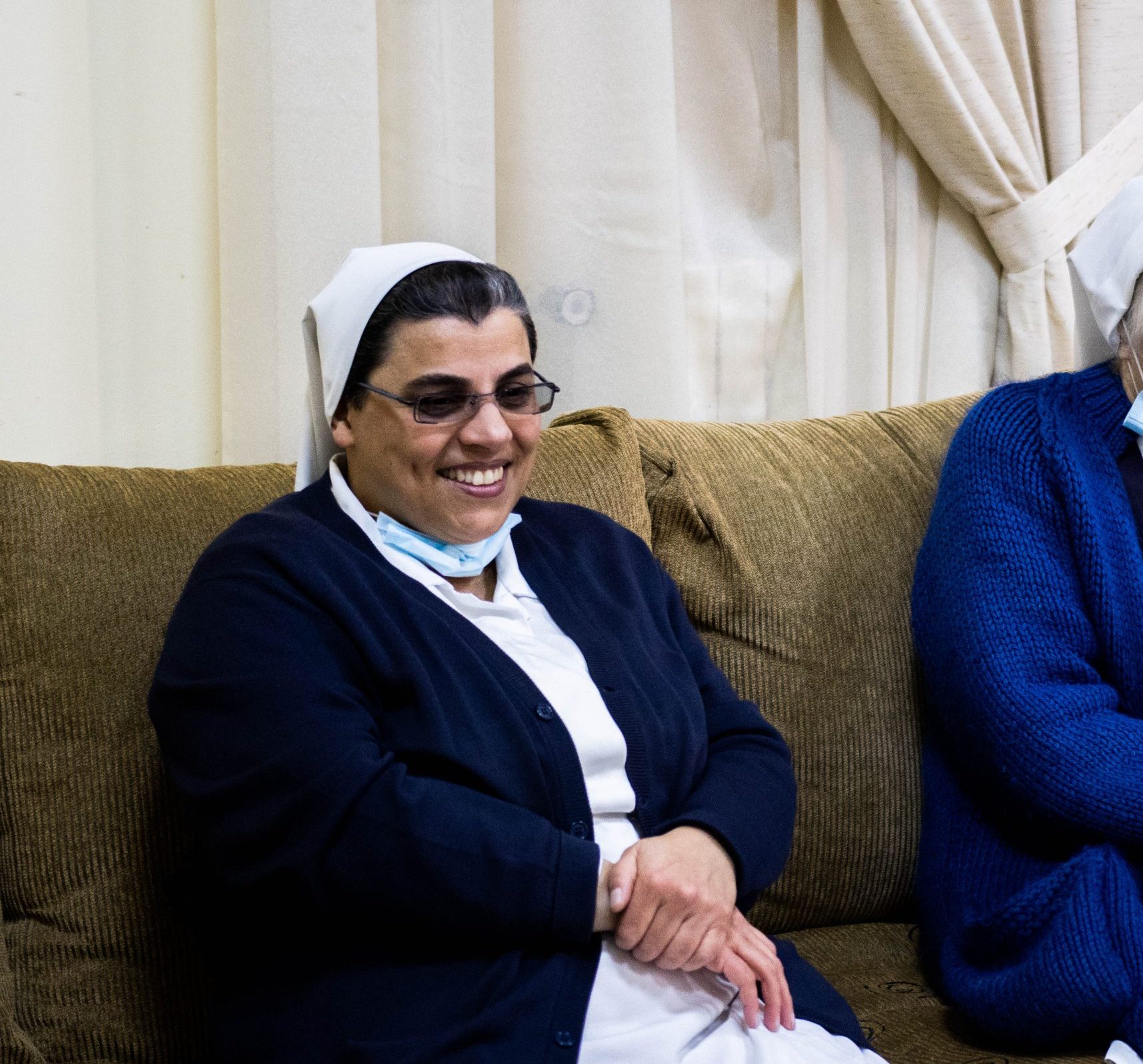
of friendship become a true source of light. Mother Jocelyne Joumaah, Jabbouléh Episcopal School
An Unprecedented Situation
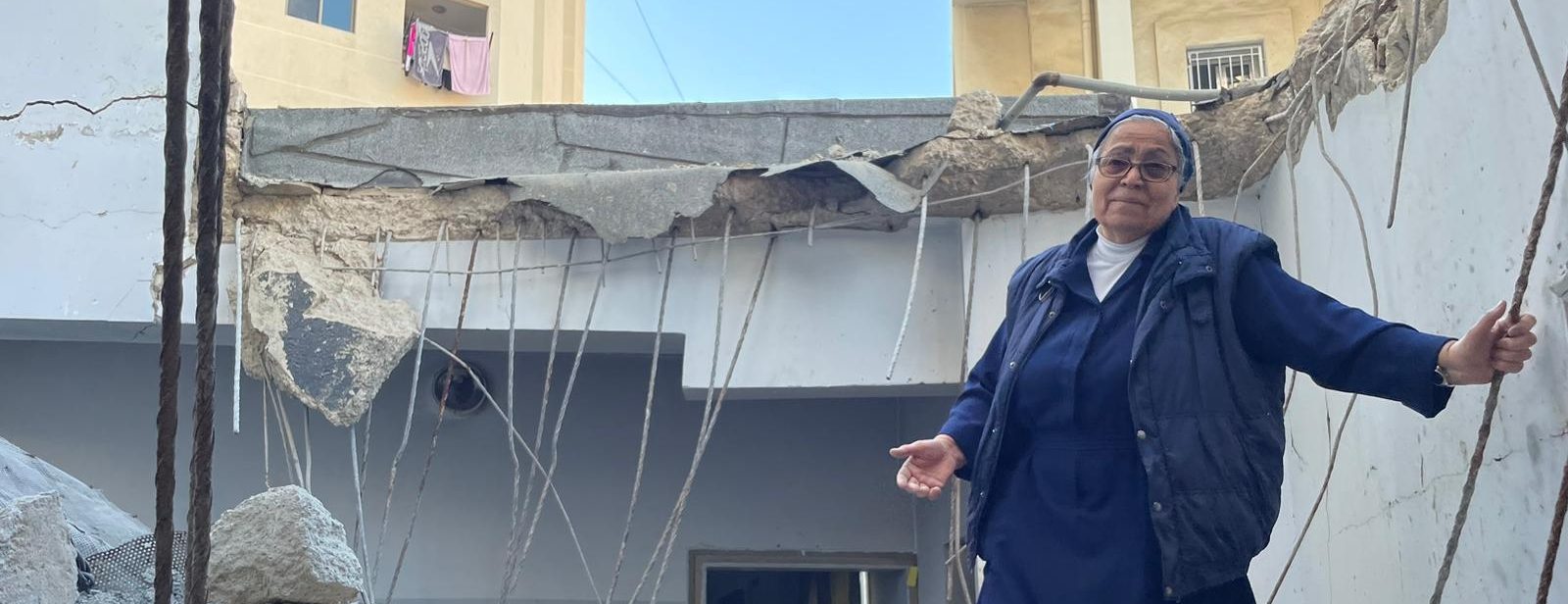
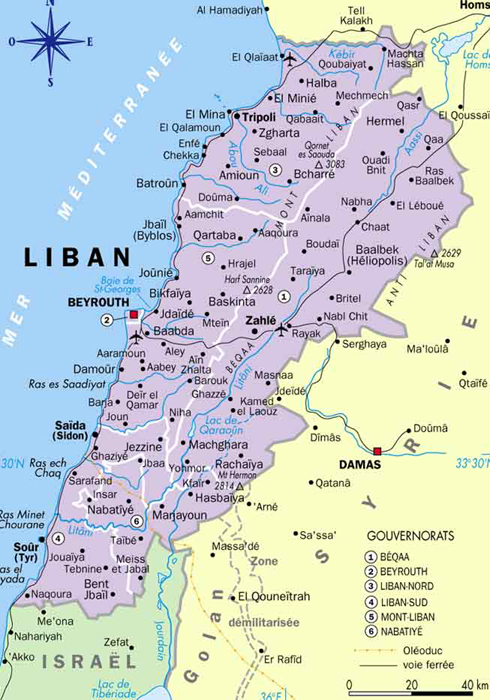
Lebanon is in the throes of a political, economic, and social crisis of unprecedented severity: massive bombings were ravaging the country in mid-March 2026, with more than 1 million people displaced, 992 dead—including 100 children—and 2,200 wounded.
Residents of Christian villages in southern Lebanon are refusing to leave, fearing they will not be able to return to their villages. In Alma el-Chaab, a Christian village in the south, residents have so far refused to evacuate, whereas in 2024 only four or five people had remained there. In Beirut and other parts of the country, Christian communities are already preparing to take in the displaced, as they have done during previous crises.
Churches, community centers, and organizations are making arrangements to house families, regardless of their religious or ethnic background. But given the scale of the expected displacement, local solidarity may not be enough. Hundreds of thousands of people are fleeing in a hurry, often unable to take even the bare necessities with them.

PROJECTS AND CHALLENGES

Religious orders, churches, social centers, and organizations are working together to provide shelter for families, regardless of their religious or community affiliation. “Our partners on the ground are already mobilized to take in displaced people and treat the wounded, but the needs will quickly exceed their capacity,” explains Vincent Gelot, country director for L’OEuvre d’Orient in Lebanon. With the support of the Apostolic Nuncio to Lebanon, His Excellency Paolo Borgia, and UNIFIL, L’OEuvre d’Orient has been able to provide essential food items—rice, flour, dairy products, pasta, shampoo, and soap—to villagers in southern Lebanon.
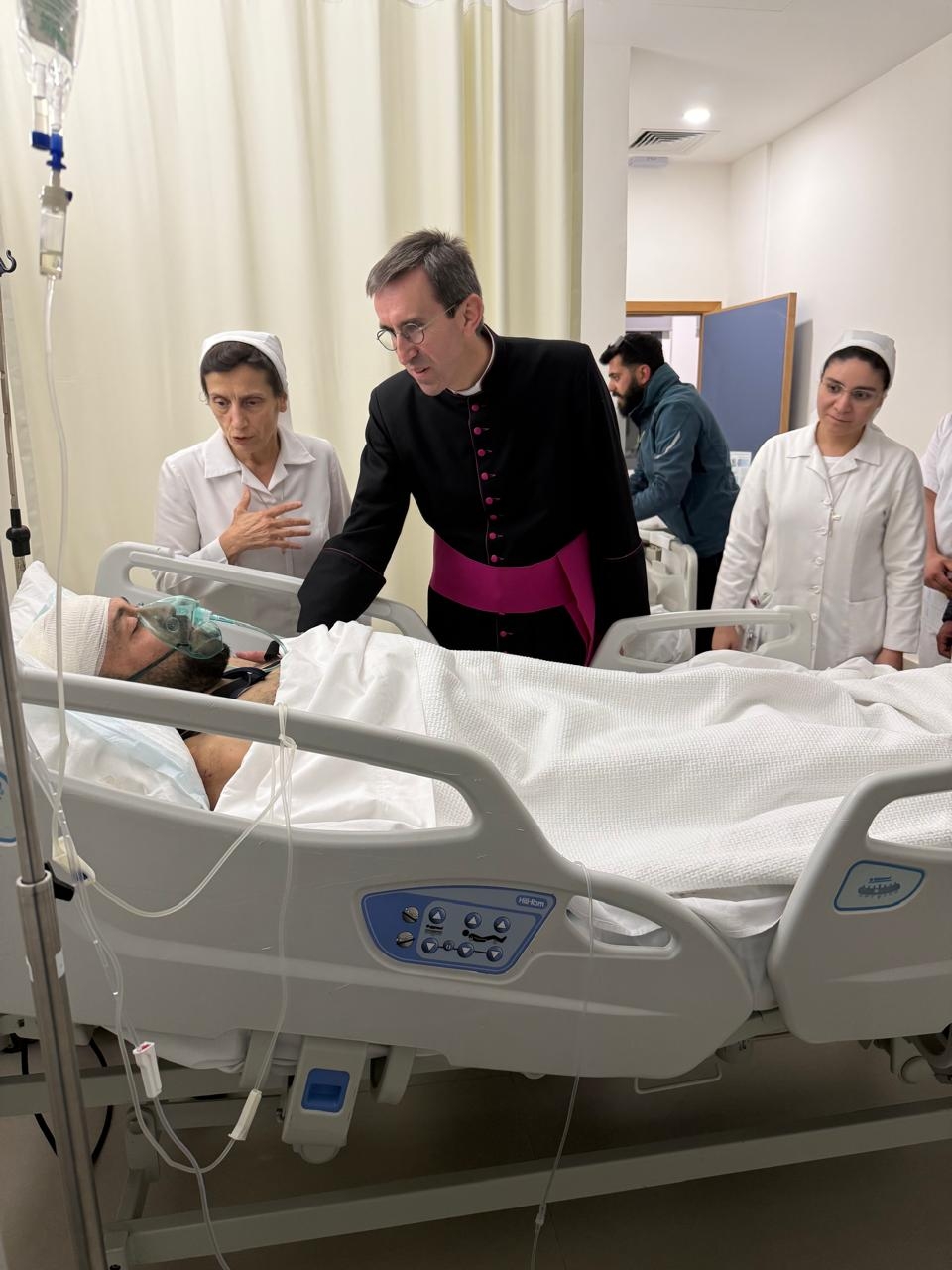
The Daughters of Charity at the Sacred Heart Hospital in Hazmieh and at the Geitaoui Hospital in Beirut, which specializes in treating severe burn victims, are caring for the wounded and the sick. The Libami association, supported by L’Œuvre d’Orient, which operates in the impoverished Naaba neighborhood of the capital, is currently assisting 250 families.
The Dbayeh camp, where the Congregation of the Little Sisters of Nazareth is assisting displaced persons, is distributing blankets and pillows to those in need. Schools remain closed and are doing their best to ensure they can continue their mission. Needs are already significant and are expected to increase in the coming days, especially as the conflict is likely to continue.
Religious communities need support in a context that is already extremely fragile.
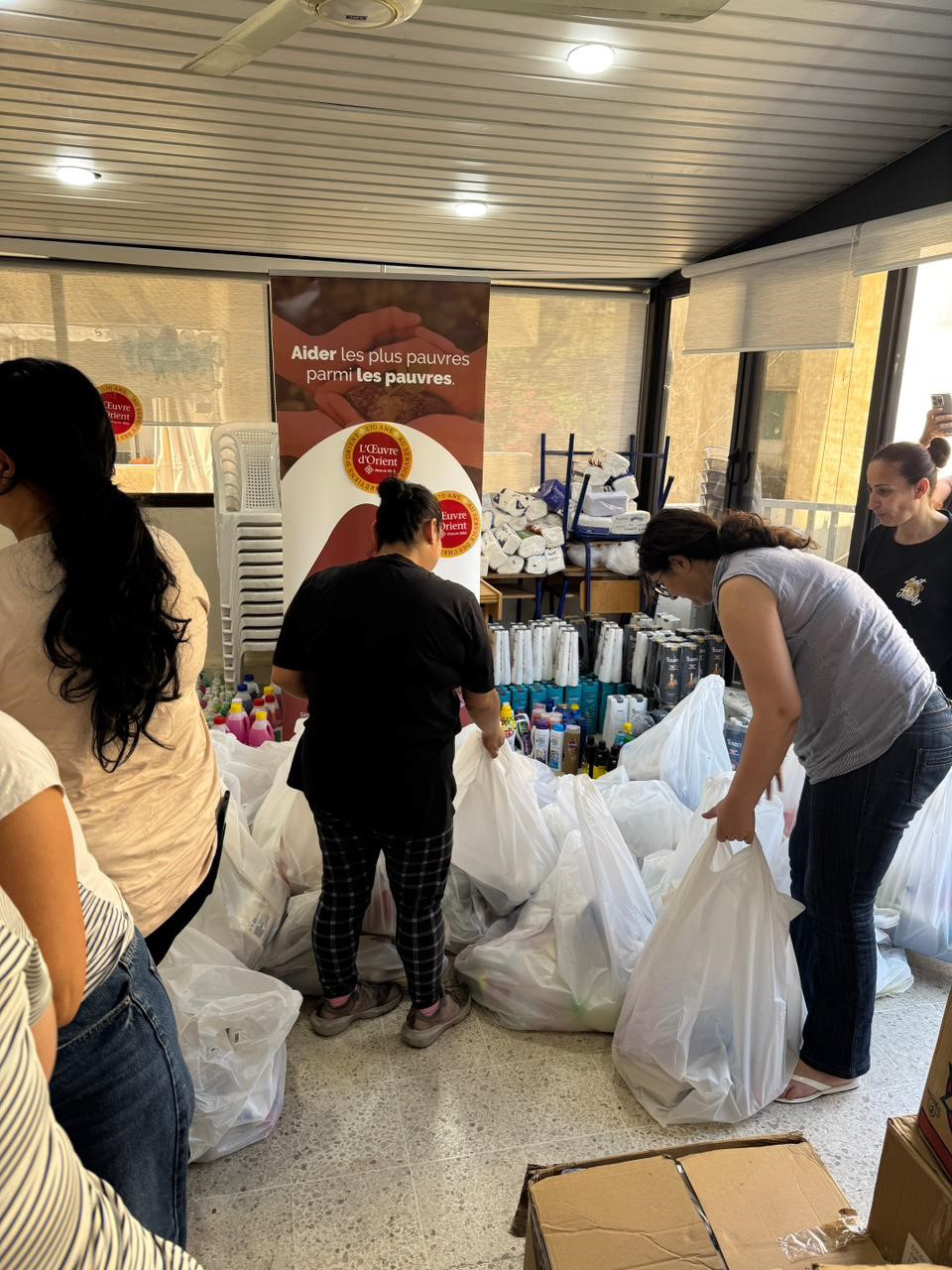
Aid for Displaced Persons, Beirut, July 2026