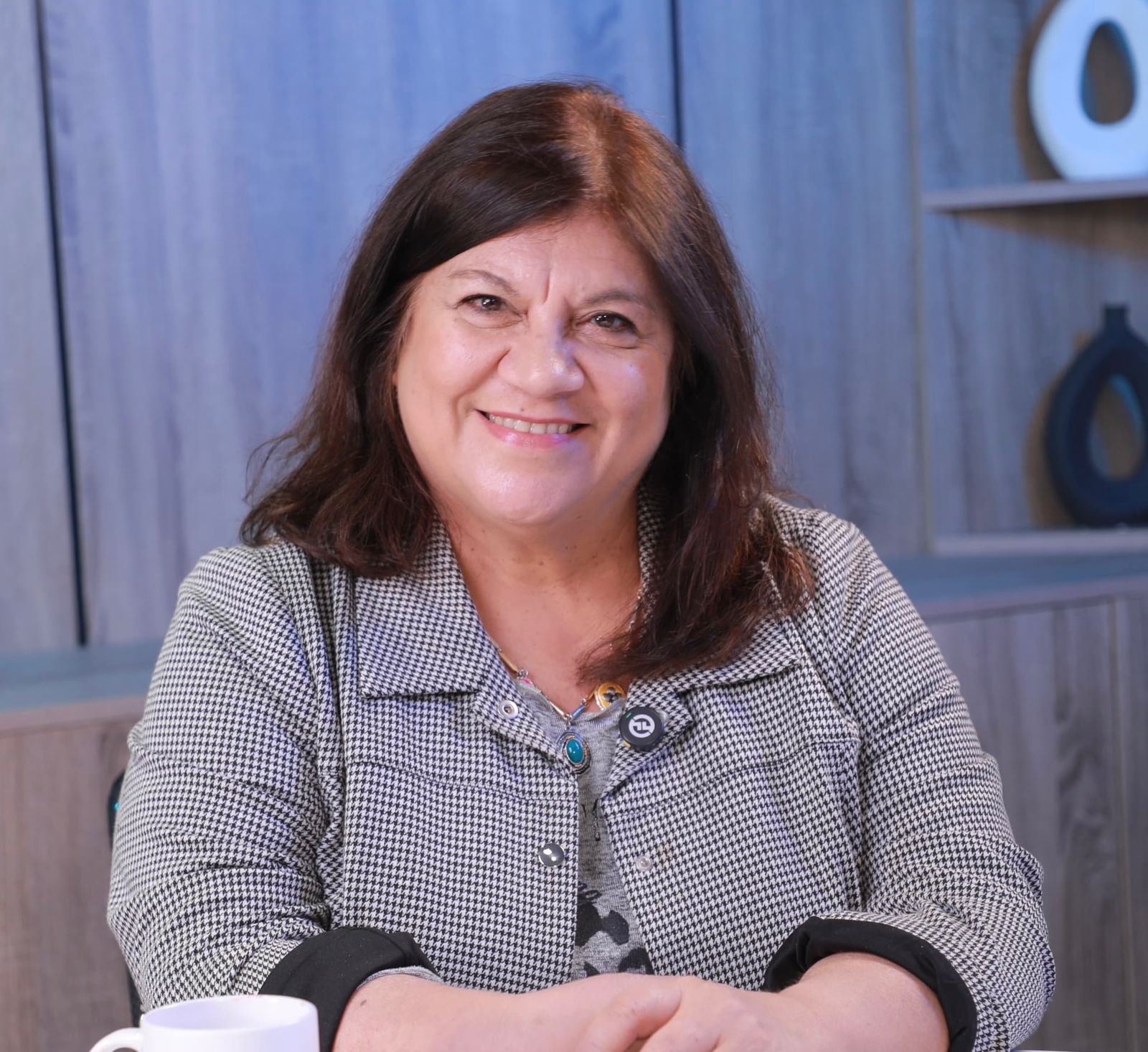
AN INTERVIEW WITH JOSYANE BOULOS, DIRECTOR OF THE “LE MONNOT” THEATER IN BEIRUT.
Since March 2, 2026, war has been ravaging Lebanon. More than 2,200 people have been killed, including many children. In the wake of a fragile, temporary 10-day cease-fire signed on April 16 between the Israeli government and the Lebanese government, what does the future hold for Lebanon?
Josyane Boulos runs “Le Monnot,” a theater in Beirut, and despite the destruction and pessimistic rhetoric, she continues to offer a message of hope.
It was while listening to her on “France Info,” the French 24-hour news radio station, that I discovered Josyane Boulos. A powerful testimony, and words that breathe new life into hope. In a battered Lebanon—in a state of constant crisis and war since its independence in 1943— and subjected since March 2 to relentless Israeli bombardment—in a conflict fueled on one side by the Iranian regime and its Lebanese Islamist ally, Hezbollah, and on the other by the Israeli army, backed by the United States.
As the director of the “Le Monnot” theater in Beirut for the past four years, she has chosen culture as her weapon to resist the prevailing barbarism. “Some of the bombed neighborhoods in Beirut are close to my theater. Friends of mine have died, even though they had nothing to do with Hezbollah. The first victims are, above all, the Lebanese—all Lebanese,” she insists.
After more than five weeks of fighting, the preliminary death toll stood at 2,200, including many civilians and numerous children—innocent victims of the bombardment.
Despite the announced ceasefire, Israeli bombings continue, and the Lebanese Hezbollah still refuses to negotiate: “It’s not up to Hezbollah to negotiate, but to the Lebanese government,” exclaims the director of “Le Monnot.” “Before being Christians or Muslims, we are first and foremost Lebanese—all Lebanese, whether Shi’ite, Sunni, or Christian. We’ve had enough of these militias that impose their violence on us and dictate their rules.”
Josyane Boulos lives in the midst of this tragedy with her two grown children, one of whom is an autistic daughter. Under her leadership, the Monnot has expanded significantly. “We have 7,000 years of history. Whatever people may say, the Lebanese are cultured and peace-loving people.”
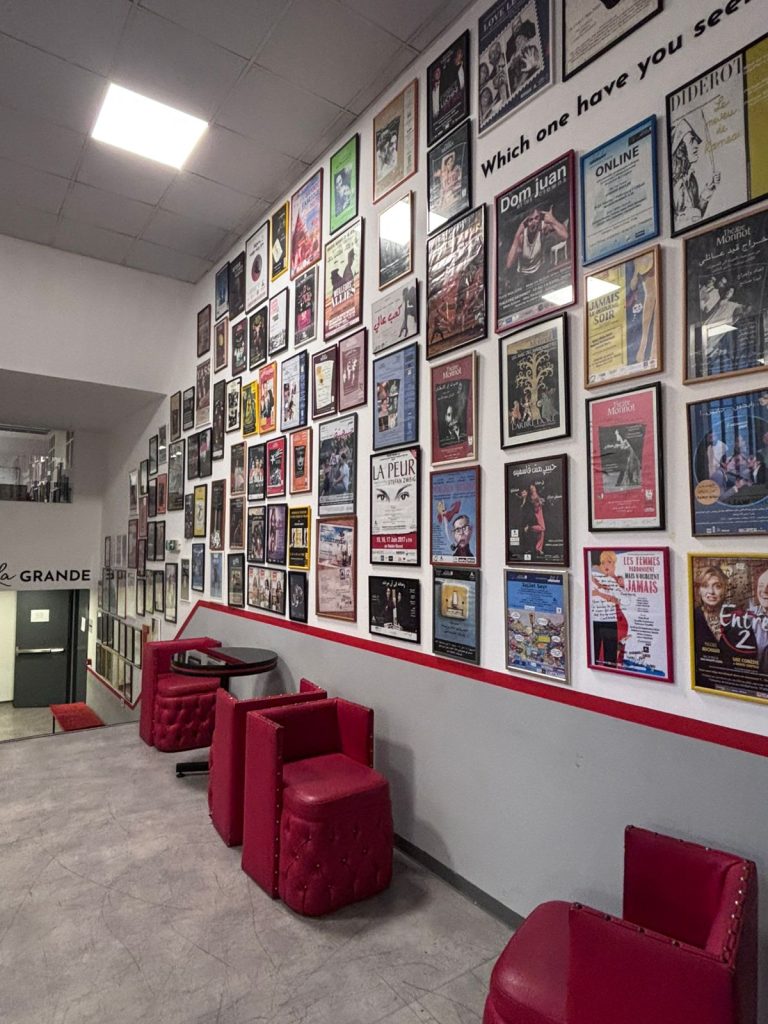
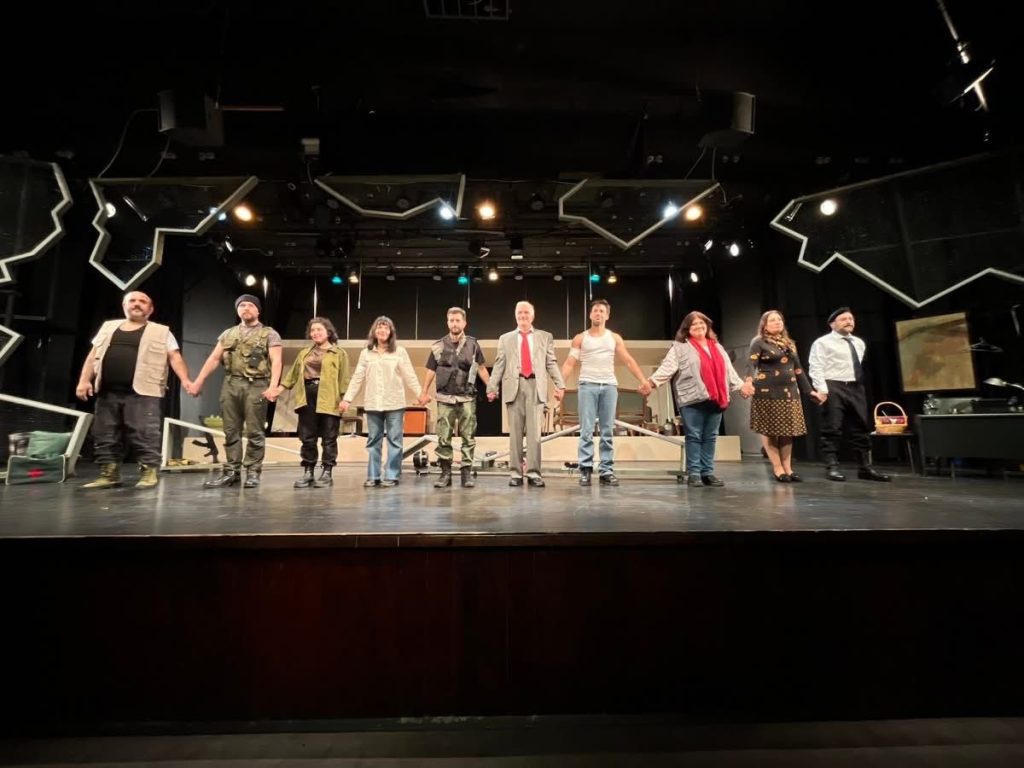
Born in Beirut in 1962, Josyane began working immediately after earning her high school diploma. “I was 19. Thanks to my father, who worked there, I had the opportunity to host cultural programs on Lebanese television for 10 years.” ” Wounded in 1990 during the 15-year Lebanese Civil War (1975–1990), she went into exile in Cyprus for nearly two years, but she returned to Beirut, her hometown, which she cannot live without. To make a living, she worked in event planning before renting the two auditoriums at the Monnot Theater from Saint Joseph University in Beirut, which owns the venue. Theater director! A position she had often dreamed of: “Welcoming people, introducing them to plays, and having actors convey emotions to them is a powerful act of resistance against terror… ” By 2025, the Monnot—which prioritizes accessible theater without resorting to the easy route—had welcomed more than 60,000 people, despite its precarious situation. This was such a significant sign for Josyane Boulos.
Can Lebanon finally become a Land of Peace in the wake of this fragile, temporary ceasefire? Josyane Boulos hopes so: “We’ve overcome so many setbacks,” and this morning, she sent me this message, dreaming of a Lebanon “where roads would no longer be borders but connections… Where people would live together without hatred…A country that is not perfect, not miraculous, but whole.”
Read the blog: https://josyaneboulos.blogspot.com