The Church of the East, from which the Chaldean Church originated, was founded in Mesopotamia—at that time part of the Persian Empire—by Saint Thomas and his disciples Addai and Mari. This Church evangelized the Jews and pagans of the region. It came to be known as the Church of Persia or the Church of the East after rejecting the Council of Ephesus in 431.
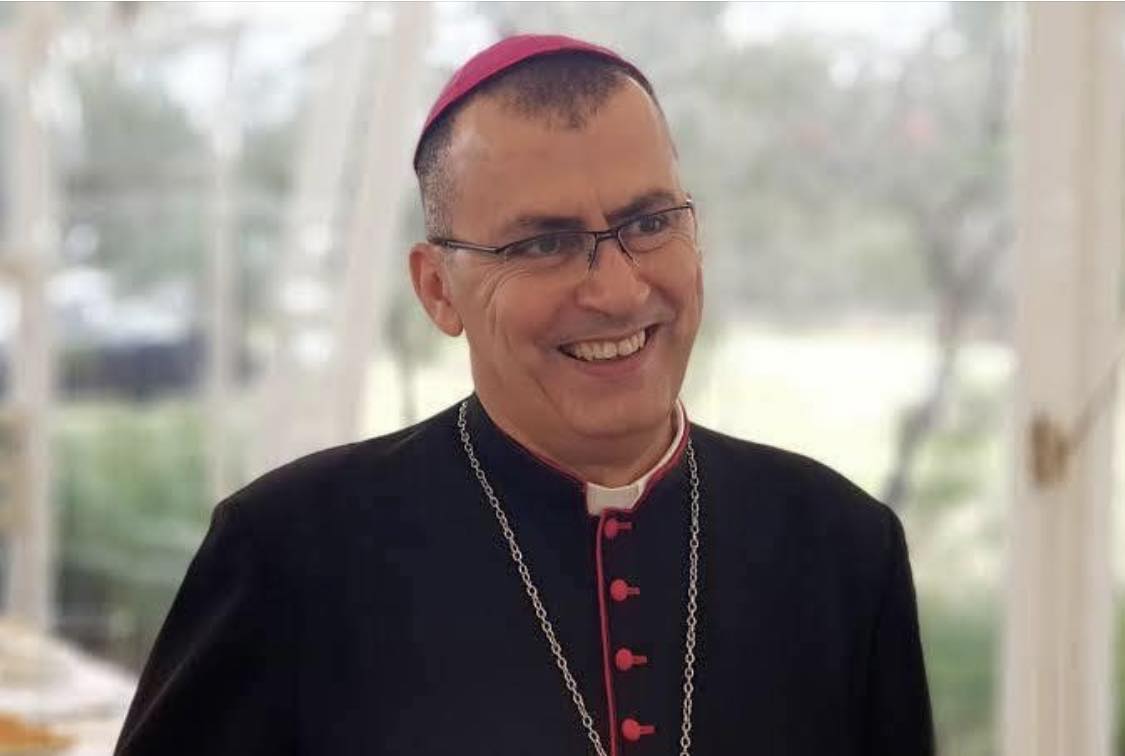
Flourishing in Mesopotamia and Persia, it spread as far as India and China between the 6th and 14th centuries. Between 1445 and 1553, a portion of its faithful aligned themselves with Rome and formed the Chaldean Church—the Catholic branch of the Church of the East. Since April 12, 2026, the patriarch of the Chaldean Church has been His Beatitude Mar Pawlos III Nona.
There are nearly 800,000 Chaldeans worldwide, one-third of whom live in the Middle East (Iraq, Iran, Syria, Turkey, Lebanon) and the rest in the diaspora. In France, their number is estimated at more than 20,000. Many of them fled the wars in Iraq (1980–2003) and persecution by various Islamist terrorist groups between 2004 and 2014.
The non-Catholic branch of the Church of the East is called “Assyrian.” It consists of two main branches whose Catholicos-Patriarchs reside in Iraq:
One, the majority and reformist branch, known as the Assyrian Church of the East, with nearly 360,000 members worldwide, has been led since September 2021 by His Holiness Mar Awa III.
The other, a smaller, traditional group known as the Ancient Catholic and Apostolic Church of the East, which follows the Julian calendar, has 40,000 members. Since June 2023, it has been led by His Holiness Mar Gewargis Yaonan.