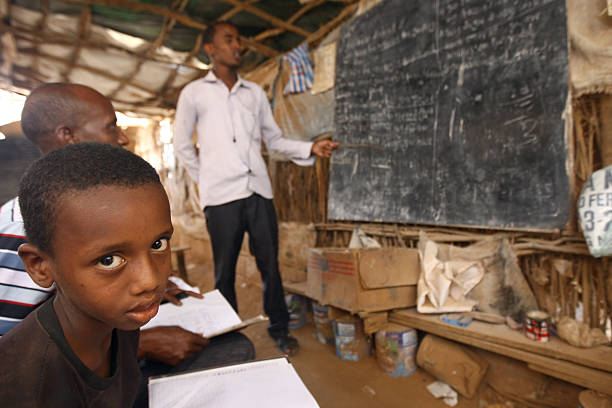
An additional 23.4 million children from vulnerable families are at risk of falling into permanent poverty due to the current conflict in the Middle East.
According to a press release dated July 16, 2026, the United Nations International Children’s Emergency Fund (UNICEF), founded in 1946 in the aftermath of World War II, citing a study covering 167 countries, reveals that more than 23 million additional children from households in extreme hardship are at risk of falling into irreversible poverty by the end of the year due to the consequences of the current war in the Middle East. It’s a chilling figure.
“It is children who are paying the price for the escalating conflict in the Middle East,” including those who live far from the region, says UNICEF Executive Director Catherine Russell, who notes that Asian and African countries are also collateral victims of these daily battles. “The longer this situation persists,” adds Ms. Russell, “the more severe the consequences will be. Rapidly rising costs are making food and education unaffordable for many families. ” These shocks are exacerbating the vulnerability of children already living on the brink of poverty and causing harm whose effects will be felt throughout their future lives.
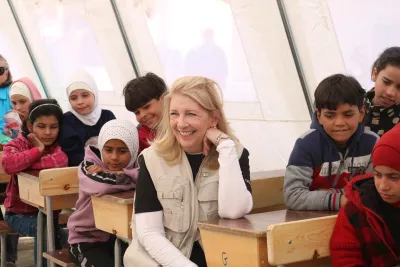
Catherine Russell, Director of UNICEF ©UNICEF
According to UNICEF, the consequences of this war between the United States and Iran, and between Israel and the Lebanese Hezbollah, threaten years of progress achieved around the world—not only in the directly affected regions of the Middle East, such as southern Lebanon, the Palestinian West Bank, Iraq, Jordan, Yemen, and Syria, but also spill over into Africa and Asia, where countries are suffering genuine catastrophes due to the repercussions of this disastrous situation.
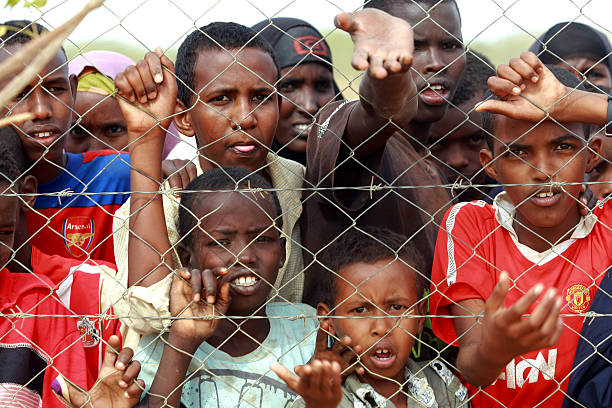
Refugees waiting for aid from UNICEF ©UNICEF
Without swift action, these repeated clashes risk worsening the situation for more than 23 million children; widen inequalities and permanently hinder the recovery of communities, the report warns, particularly by preventing the most vulnerable families from accessing food, health care, various protection services, epidemic prevention, education, and training for young people.
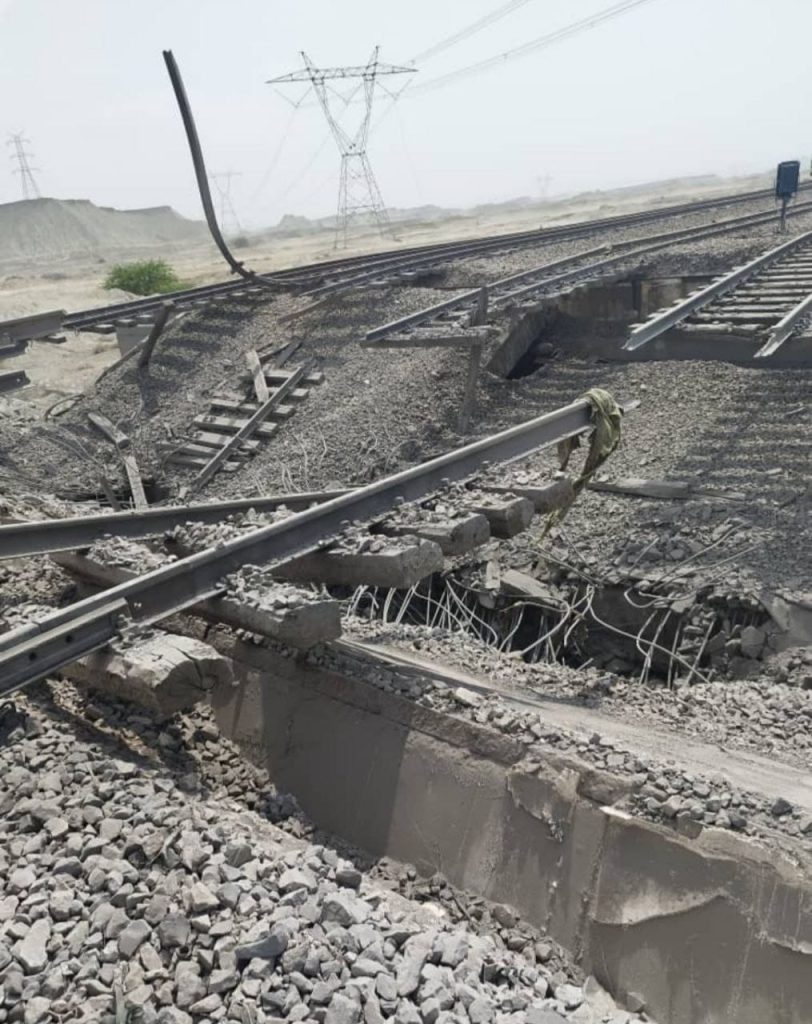
Damage caused by daily clashes in the Middle East ©UNICEF
The neediest families can no longer afford even the bare minimum.
“UNICEF is urgently calling on national governments, donors, and international financial institutions to protect children from the most severe effects of this conflict,” the statement concludes. It urges the adoption of priority measures to ensure uninterrupted access for children and their families to essential and affordable services and supplies, including through the establishment of minimum spending thresholds indexed to inflation; this crisis threatens the lives and futures of children. “If the world does not act quickly, the combined effects of the conflict, economic instability, and the rising cost of living will plunge millions of children into deeper poverty,” adds Catherine Russell, “undermining hard-won development progress.”
Luc Balbont
All photos were kindly provided by UNICEF